◆ Proof · field validation
Measured, not asserted.
The institute is judged on evidence. Every figure below traces to a published paper or a public patent record; nothing ships without a citation.
◆ Proof · lead with validation
Figures trace to the published WP1 / WP2 record and are reported across measurement tiers separately — realized, workpaper-backed figures are shown here; identified-pilot totals are detailed in the papers.
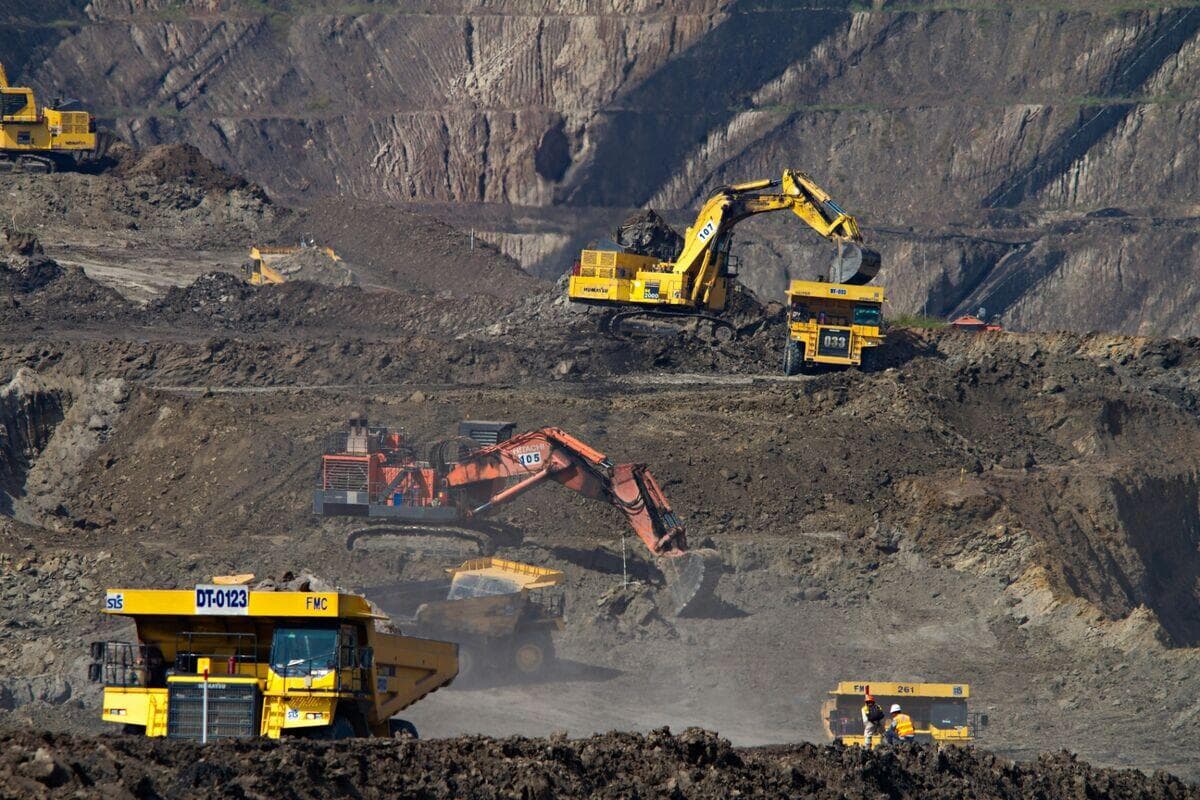
Validated where the machines actually work — across three continents.
Three-way ground truth
At a surface coal mine, a carbon-balance-derived fuel rate was compared against fill-to-fill volumetric measurement (supervised by the engine OEM's field-engineering team) and ECM-reported fuel rate on the same five-engine fleet. The derived rate tracked physical measurement; ECM estimates diverged by up to 17%.
Decade of deployments
Realized, workpaper-backed results from the 2011–2019 fleet (76 vehicles) account for ~76.4M gallons of diesel and ~776,000 metric tons of CO₂ avoided — reported across measurement tiers, never blended.
OEM-agnostic by construction
The method operates on data already present on the SAE J1939 CAN bus and recognized test standards (ISO 8178, SAE J1003, 40 CFR Part 1065), making it transferable across displacement, manufacturer, and EPA emission tier.